An email claiming to be from me is not proof
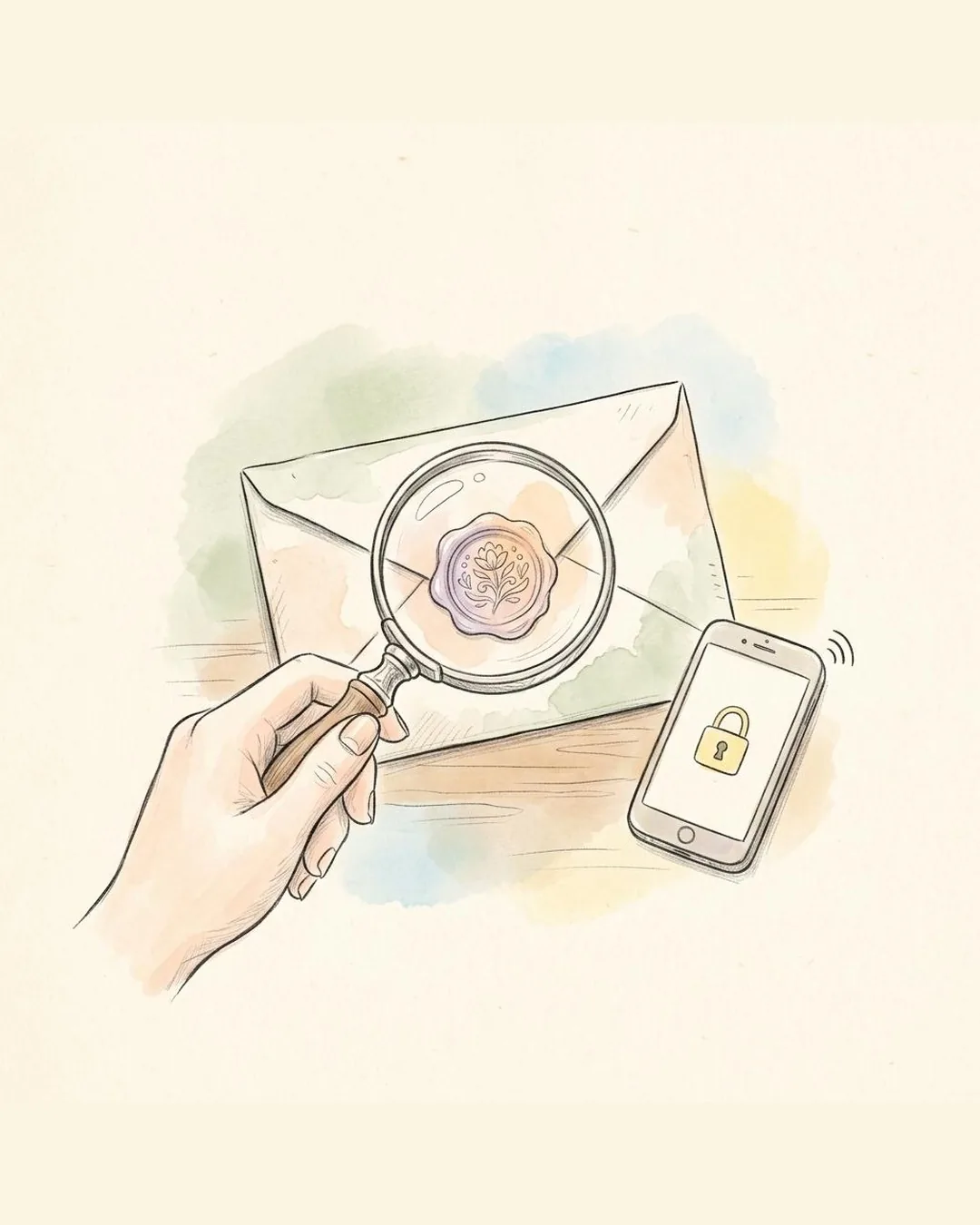
An email claiming to be from me is not proof.
An email’s sender address is easy to fake. So is the name displayed above a WhatsApp message. If an agent reads a message from me and decides from that alone who is allowed to ask for what, “I’m Floris” is the simplest attack there is.
That is why I follow one rule: a message claiming to be from me is information, not an instruction.
For email, that works like this:
When a message arrives, the mail server checks whether the sender is really associated with the domain they claim to use. That check is called DKIM and DMARC; think of it as a seal on a letter. Only a message that passes those checks counts as coming from me or a colleague. If someone claims to be me without that seal, we treat it as an attempt. We don’t reply, but we do flag it.
With WhatsApp, it’s simpler: only the numbers I have recorded myself are mine. A message from a new number saying “I have a new number” is not a reason to change anything, no matter how convincing it sounds. We never accept a number change on the word of the new number itself.
And when something important is at stake—a request involving permissions, money, a phone number or an address—we verify it through a channel we already know. Not through the number or address in the suspicious message: that is precisely the person we don’t know. The question goes to my established channel, with a code only I can provide. One question at a time, and never at night. The request proceeds only after a yes through that established channel. If I say no, or don’t answer within a day, nothing happens.
If someone keeps trying, after the first attempt they get a more cautious response: no internal names, no links, nothing confirmed. After repeated attempts, we stop replying altogether. Only I can clear a sender again.
That may sound strict, but it costs almost nothing. The only thing that changes is that trust becomes something you can verify instead of something you simply assume.
It’s the same lesson as with people. If an employee gets an urgent payment request from someone claiming to be the director, they don’t just do it. They call back using a number they already know. An agent can do the same, if you teach it to.
How does your organisation check that a message really comes from the person it claims to be from, before acting on it?
#AIagents #Security #AI #Cybersecurity
See also
What if the model becomes unavailable tomorrow?
Once AI agents do real work inside an organisation, that work depends on something you do not control: a model supplied by a vendor, reached over the internet, at a price and under terms the vendor sets.
My audiobook costs 1 euro for the next few days
My audiobook costs 1 euro for the next few days.
Every agent I run starts with a card
Every agent I run starts with a card.