The strongest model doesn't have to do everything itself
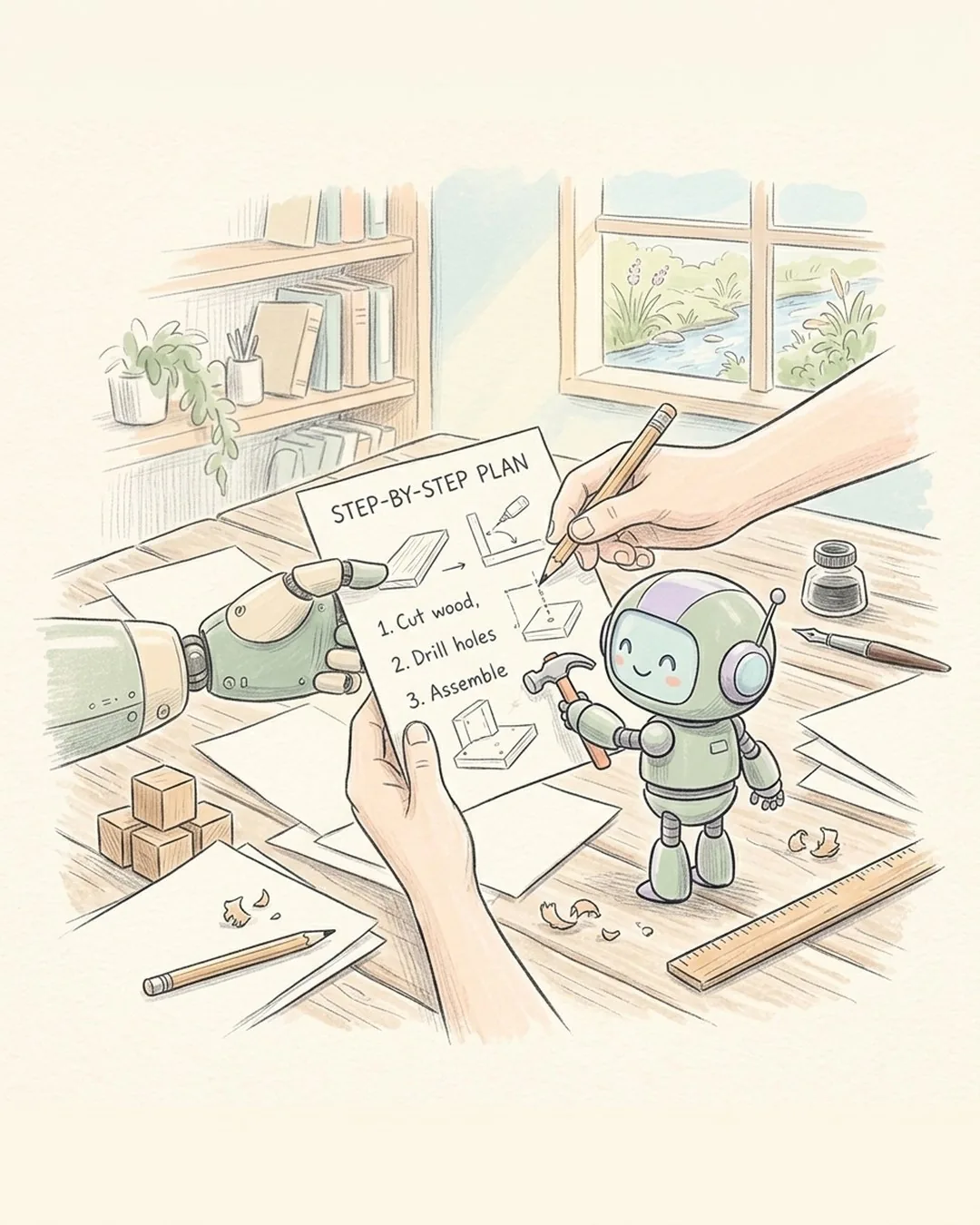
In my set-up the work goes in two steps. First a strong model works out an assignment: what has to happen, when it's done, which files belong to it, which tests must be green. Then a smaller, cheaper model carries it out.
That only works if the assignment is really clear. A vague assignment on a small model gives a vague result. A sharp assignment often gives exactly what you wanted, even on a small model. I only let the smallest model take small, fully worked-out assignments; a big or half-specified job stays with the stronger one.
And if the small model gets stuck, the next turn runs on the stronger model until the work is done. The exception costs a little extra, and the rest stays cheap. For each model I track how often it succeeded, so I can see whether the split is right.
So the gain isn't in a smarter model, but in a better assignment. Whoever writes the assignment well can make the execution cheaper.
Try it with one task you now give to an expensive model. Write the assignment so that an intern could carry it out without questions: what, when it's done, which files, which test. Then give it to a smaller model and compare.
Which work is actually already clear enough to go smaller?
#AIAgents #Workflows #Costs