An agent that drafts quotes and invoices. The amounts do not come from the model
A quote or an invoice touches money. That makes it the place where most people do not trust an agent. Rightly so, if the model invents the amounts. So it does not.
Ilse drafts my quotes and invoices. This is how we keep that safe.
Amounts and details come from one source
The price, the VAT, the payment term, the address and the company number sit in one place. The agent fills them in from that source. If something is missing, she says so and invents nothing. A model that fills in "about" an amount does not exist in this setup.
A fixed template
The quote and the invoice follow a fixed template. The agent chooses no layout and writes no terms of her own. So a client reads the same agreements every time, and I can check them without reading each one from scratch.
The client says yes, I say "paid"
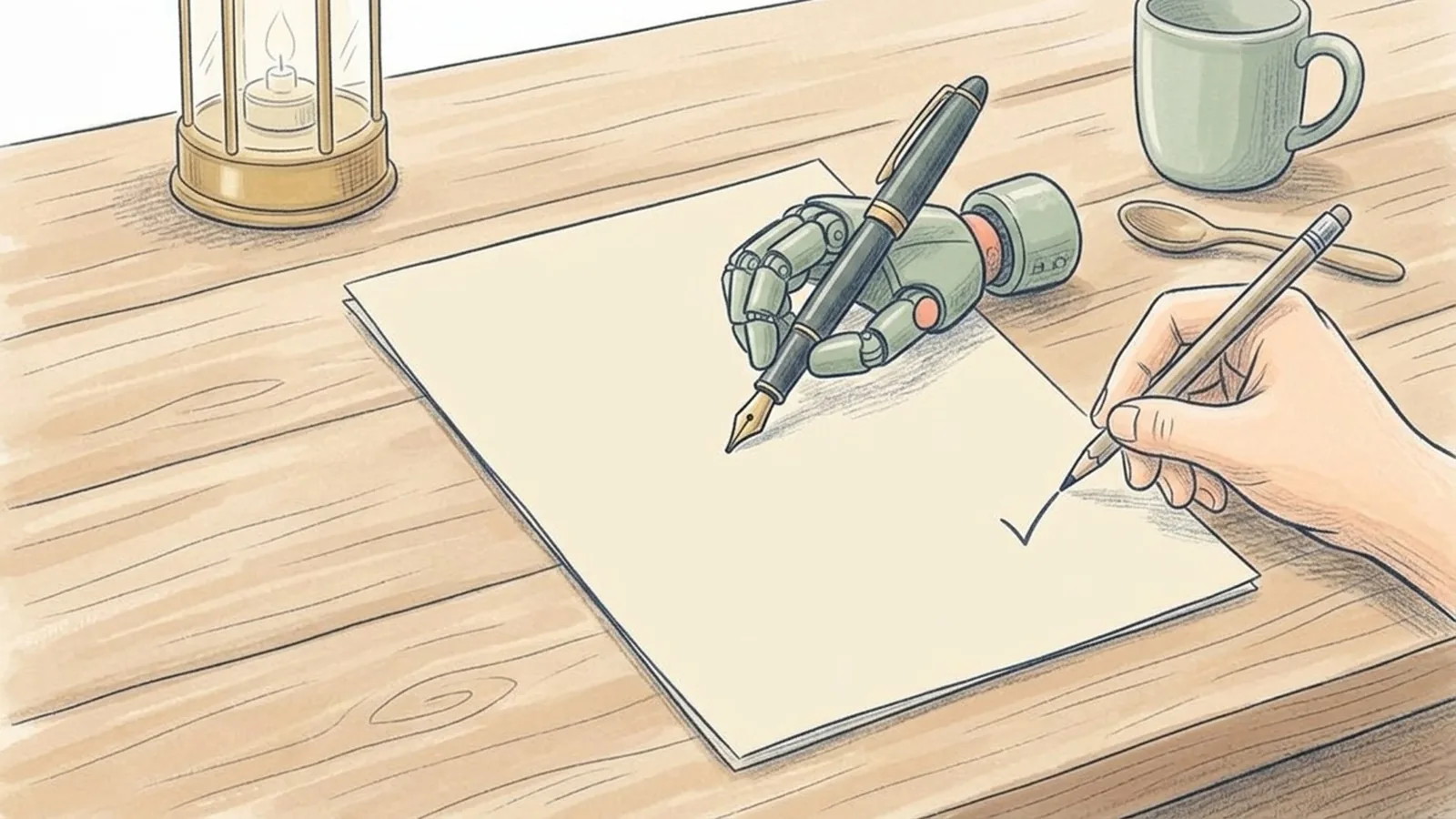
A quote goes to the client. The invoice follows only when the client agrees. What stays with me is the confirmation that the money has arrived. Only then does Ilse send a confirmation. That is where a human checks something real: the bank, not the text.
Everything outside the template comes to me
A discount, another day, an exception to the terms: those I decide myself. The agent may name them, not promise them.
What you can take from this
If you want an agent to make quotes:
- Put amounts and company details in one place and let the agent only read them.
- Use a fixed template.
- Let the client say yes before the invoice arrives.
- Let a human confirm the payment.
- Send everything that deviates to a human.
Which documents in your organisation already follow a fixed template, and where does an amount from the model slip through now? I am happy to check that with you in an Expert Day.
See also
What does your business do when the AI goes down? Five incidents at a travel agency
Your agents are working, customers get their answers, and nobody thinks about what happens on the day the model stops replying. That day usually arrives unannounced, on an ordinary Tuesday, and the trouble is rarely the…
An agent picks a name and finds a domain for it
A product needs a name, and the name needs a .com that is still free. That is dull work with many small checks. Exactly why I let an agent do it.
Putting AI into a work process: from writing it down to measuring it
Many organisations start with the tool: which app, which subscription, which integration. Then they get stuck on something else: what exactly should the tool do in the work, and how do you tell whether it is going well?…